Close-up picture of an upcoming project
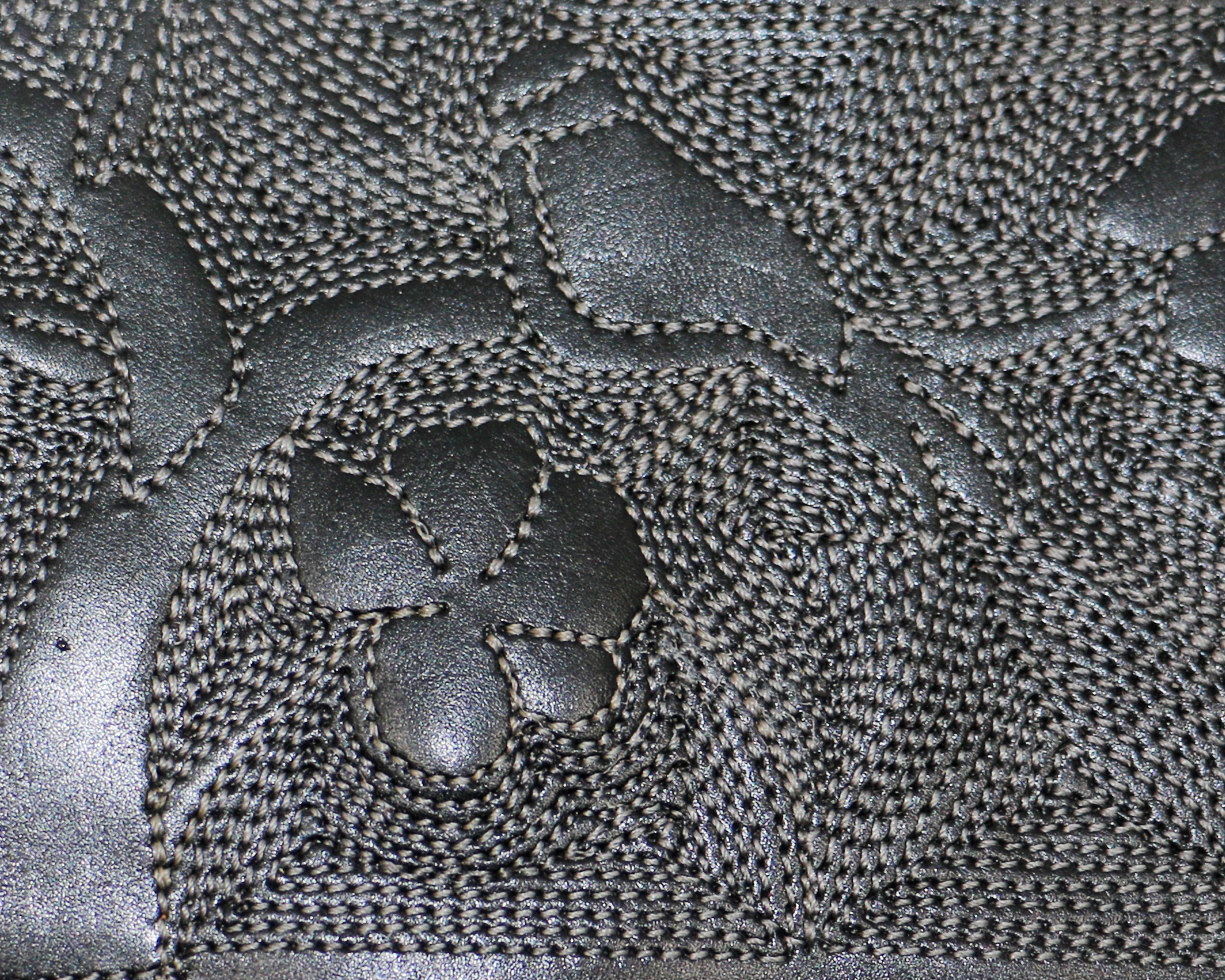
Close-up picture of an upcoming project
A few weeks ago I made a bracelet with mountains and sky, just for fun, just because I was inspired to do it. A week ago I got to visit West Virginia again and see my best friend from seventh grade. She drove me all around Pocahontas County and we reminisced about the good times, and as I sat on the porch of her cabin looking out over the mountains, I realized why I’d made that bracelet and who it was for.


Introducing “Before The Next Teardrop Falls”
(because that song was sung by Freddie FENDER — get it?)

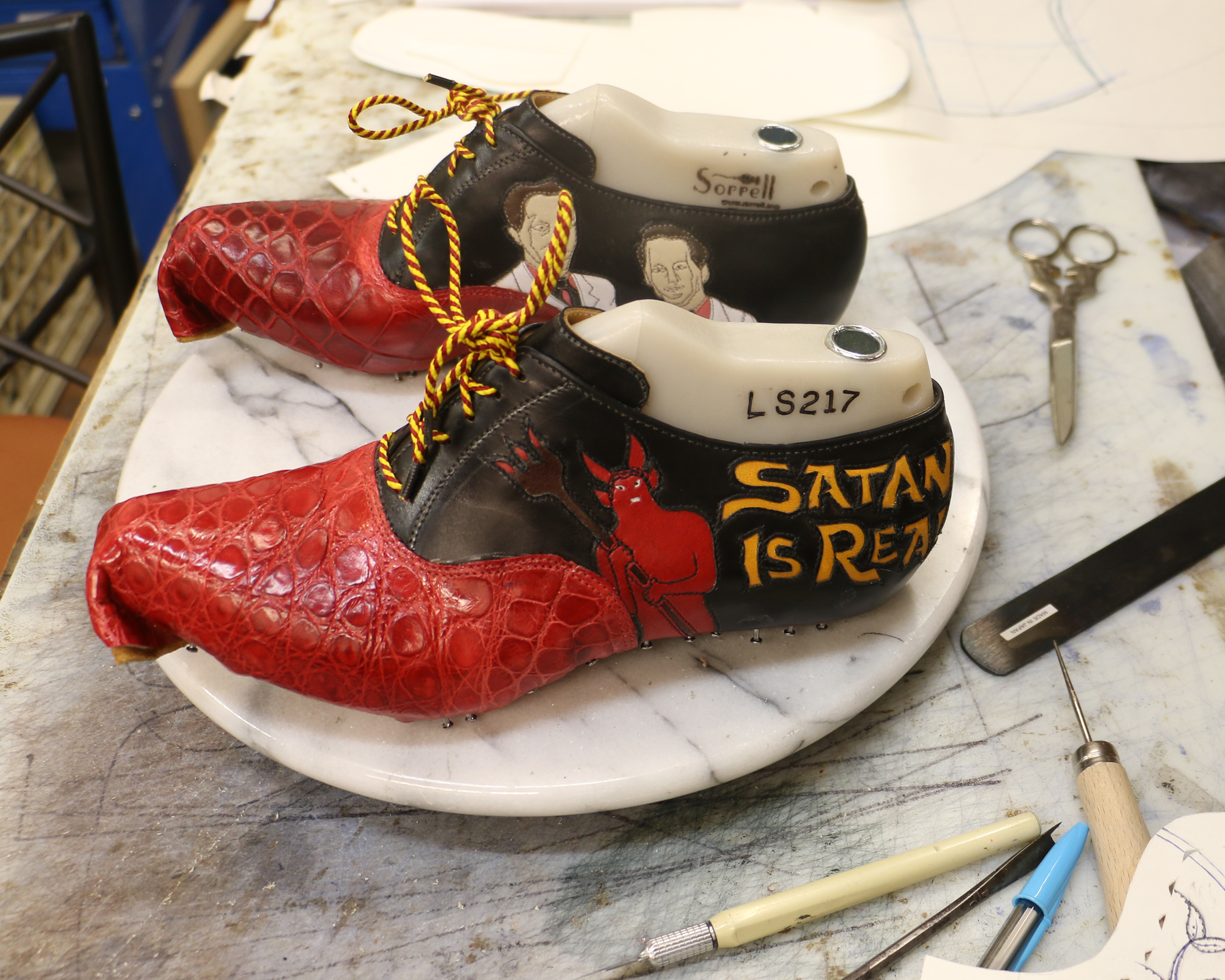
I spent Sunday afternoon with Satan; I’m trying to finish my shoes before I see The Malpass Brothers in concert on Sunday. (Taylor Malpass owns the “Satan Is Real” cowboy boots — they’re fellow Louvin Brothers fans.) Today I finished the sole edges, finished the soles, and laid the first heel layer (if one’s going to try to not stick, it’ll be that one, so I like to get it done). Since it’s rarely ever efficient to work on one pair at a time, the Fender tweed shoes came along for the ride. Now all I need to do for both pairs is finish building the heels and they’ll be done!
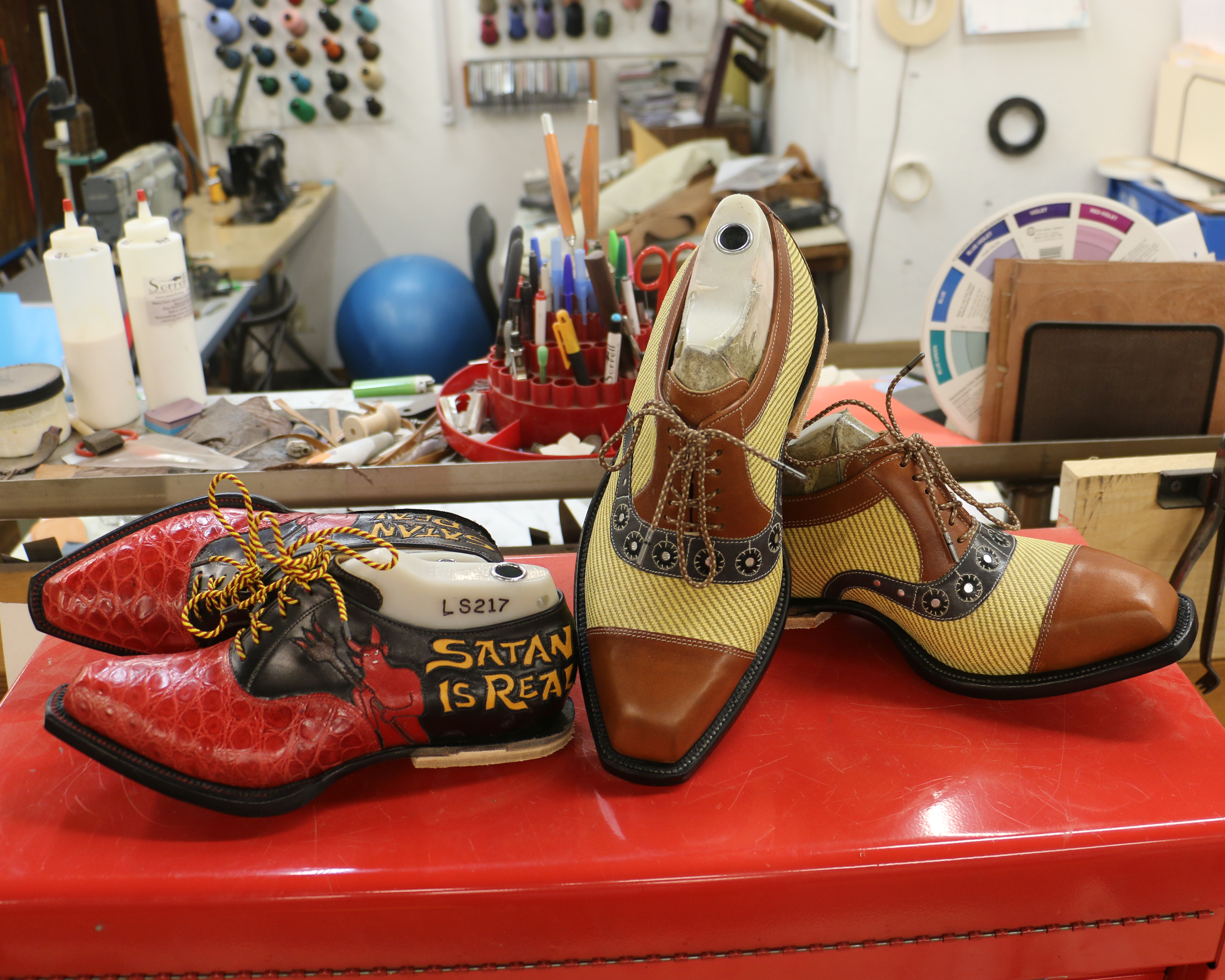
I put the toe boxes in my Louvin Brothers shoes. The “toe box” is a stiffener that holds the shape of the toe and also protects the wearer’s toes. This particular shape is a cowboy boot style I learned from my mentor; when I put this toe on cowboy boots I’m careful to create very sharp, defined corners. I’d planned and assumed that I’d be putting sharp corners on this toe shape for shoes, but once I started making shoes on this last the toes informed me that they wished to have softer, rounder corners and who am I to argue with my craft? So my shoes have a streamlined square toe, but with soft corners.

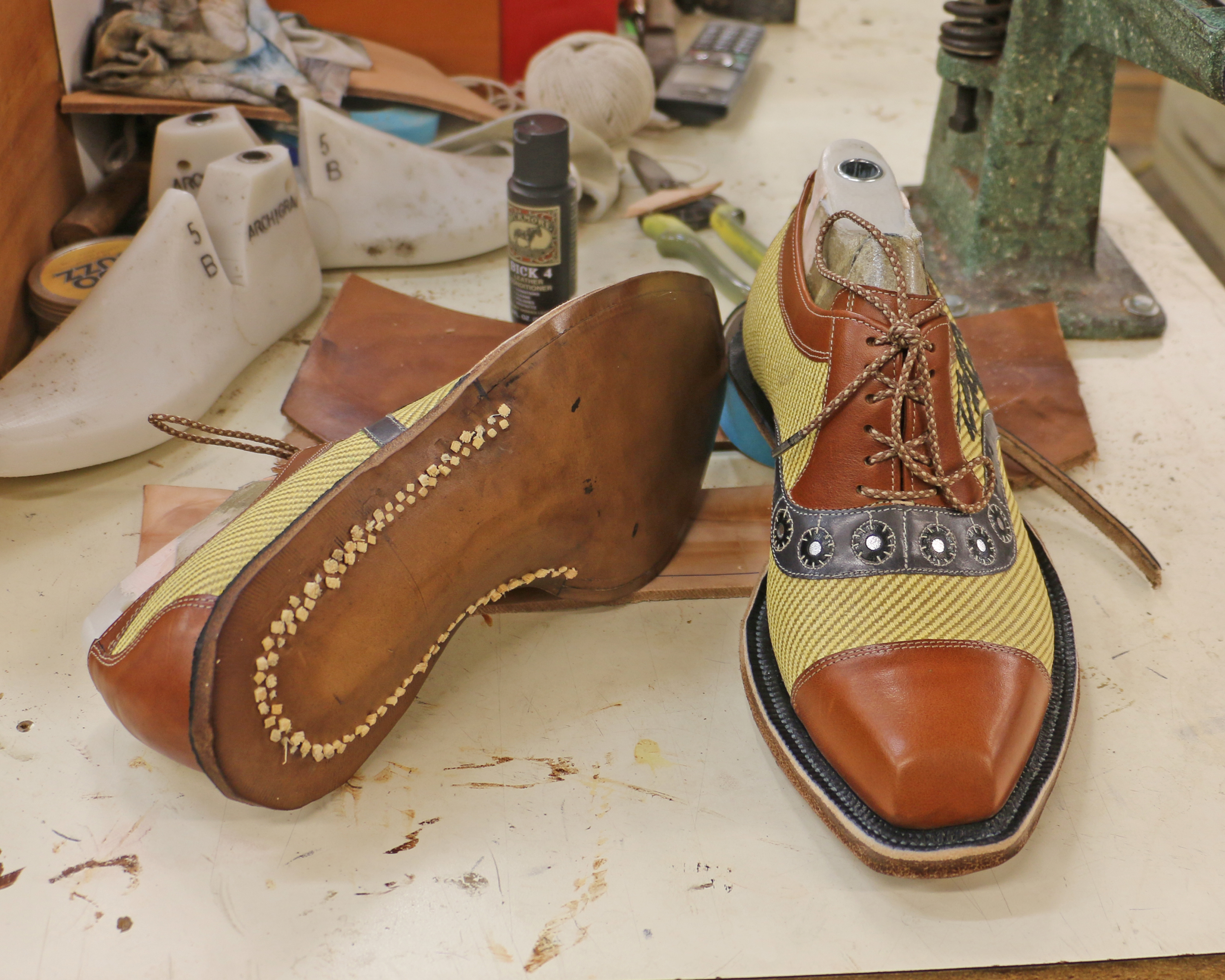
I came into the shop today to do some rearranging (it’s my hobby) and realized I’d forgotten to peg the soles on these shoes on Friday. They were in a plastic bag so they wouldn’t have dried out, but leaving them all weekend is an excellent way to get mold. So I pegged the soles with a double row of pegs and shined the forepart of the sole by rubbing it. See the three black dots on the sole on the left? Here’s the story on that: I’ve been waiting six months for a huge shipment of kangaroo leather, and it arrived on Friday while I was working on these shoes. I was So Excited I laid the shoes down on my bench — not realizing they were touching a metal tool — and rushed up front to help the truck driver bring in my leather. By the time I got back the metal tool had permanently stained the sole leather. I know better, but that’s what happens when I get a shipment of colored kangaroo, I guess.
Me: Ugh, people are awful and I want them all to stay away from me.
Also me: Squeal!! I will make so many cool new friends with my Louvin Brothers/Satan Is Real shoes!!
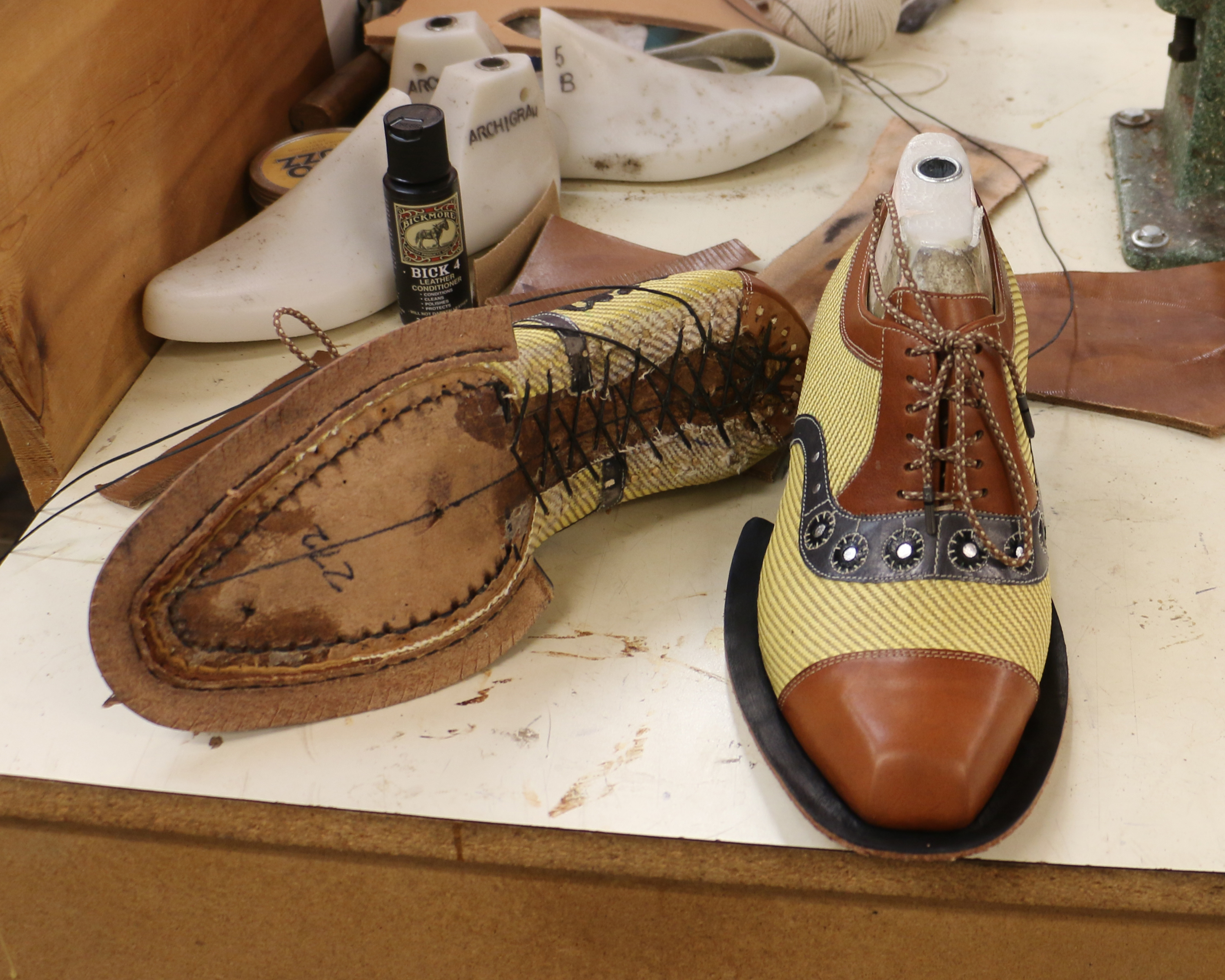
I had some questions yesterday about why the upper is laced to the insole and what I do with the excess thread, so I’m going to explain that a little more. Keep in mind that what I’m showing you is traditional cowboy boot construction, not traditional shoe construction. This means that since I’m doing it on a shoe, both boot and shoe makers tell me I’m doing it wrong. 😁


Look at me, working on shoes today instead of sitting at my desk!
I made a new YouTube video about the crimp break I sell, demonstrating how it works.Your guess is as good as mine if I’m regularly making videos again or I’ll wait four years to make another.
Shoemaking Tools: Crimp Break
 | D on Trivia |
 | customboots on Challenge |
 | pleasantlyconnoisseu… on Challenge |
| customboots on Challenge |
| Eugen T. on Challenge |

