I have a customer who has requested a design with dragonflies. This is the sketch I’ll send for her approval. She prefers very tall boots and filling all of that space can be a challenge.
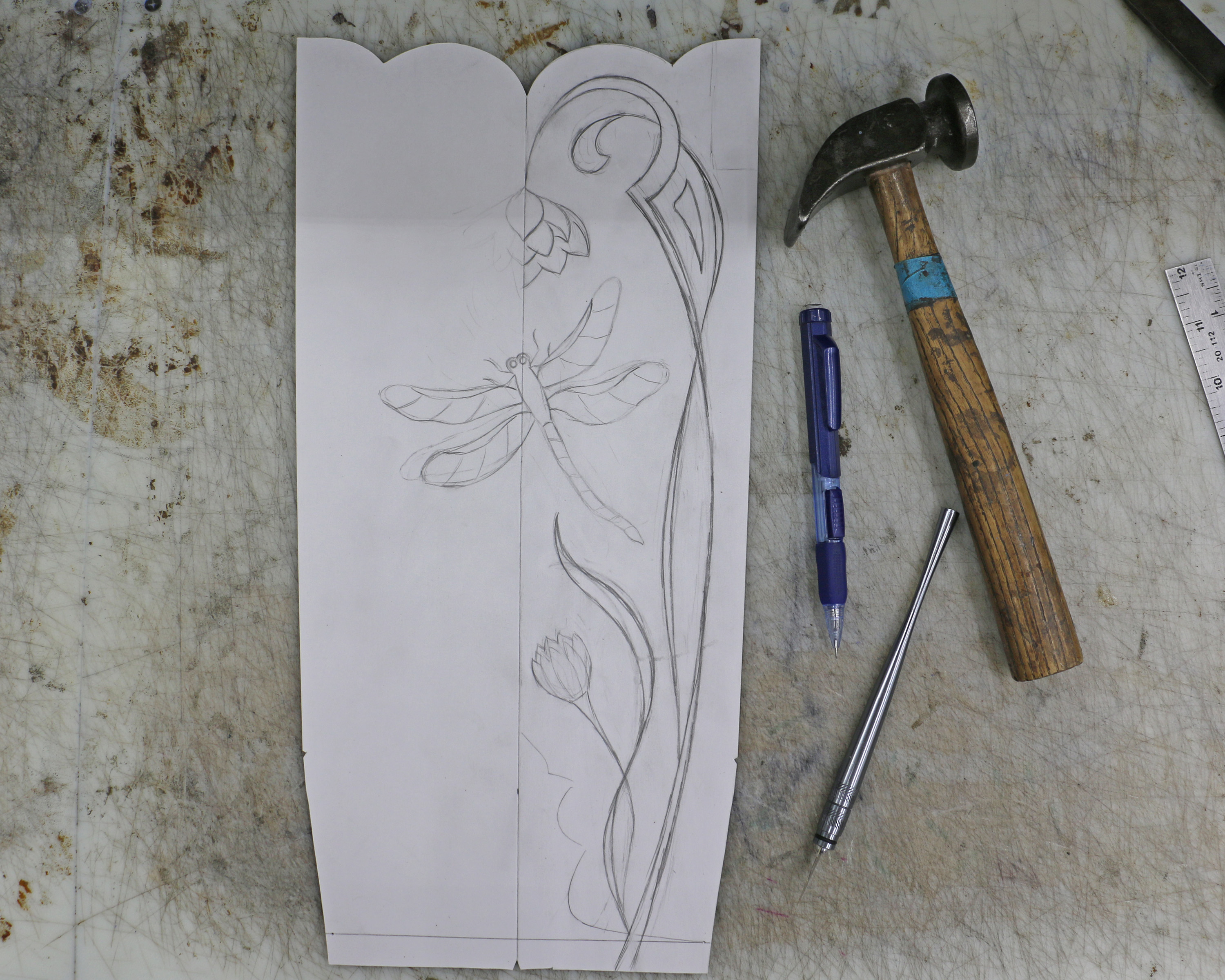
I have a customer who has requested a design with dragonflies. This is the sketch I’ll send for her approval. She prefers very tall boots and filling all of that space can be a challenge.
Today’s WIP.
I need a new pair of boots and this project should immediately be shoehorned into my current schedule, right? Oh good, I’m glad you agree.
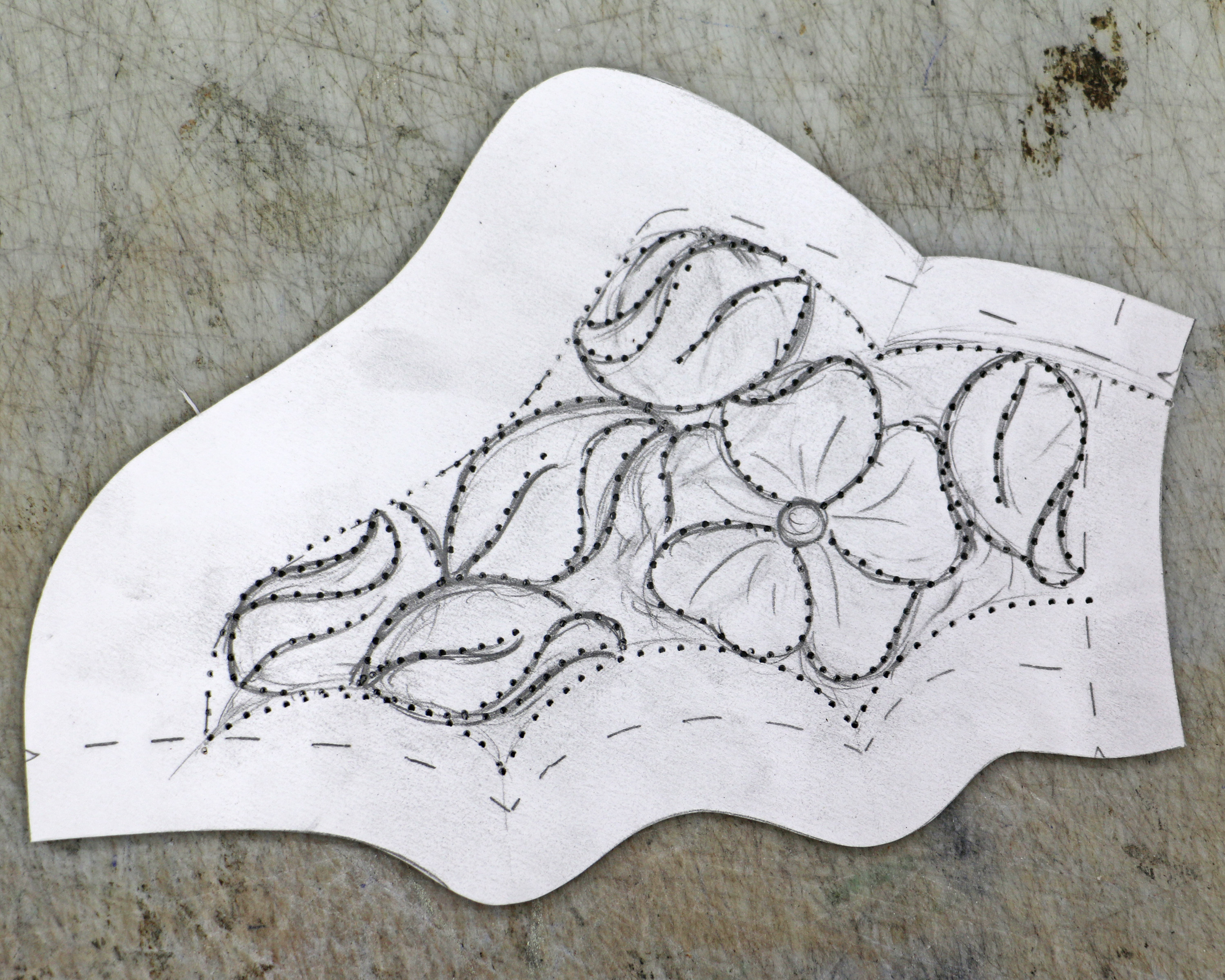
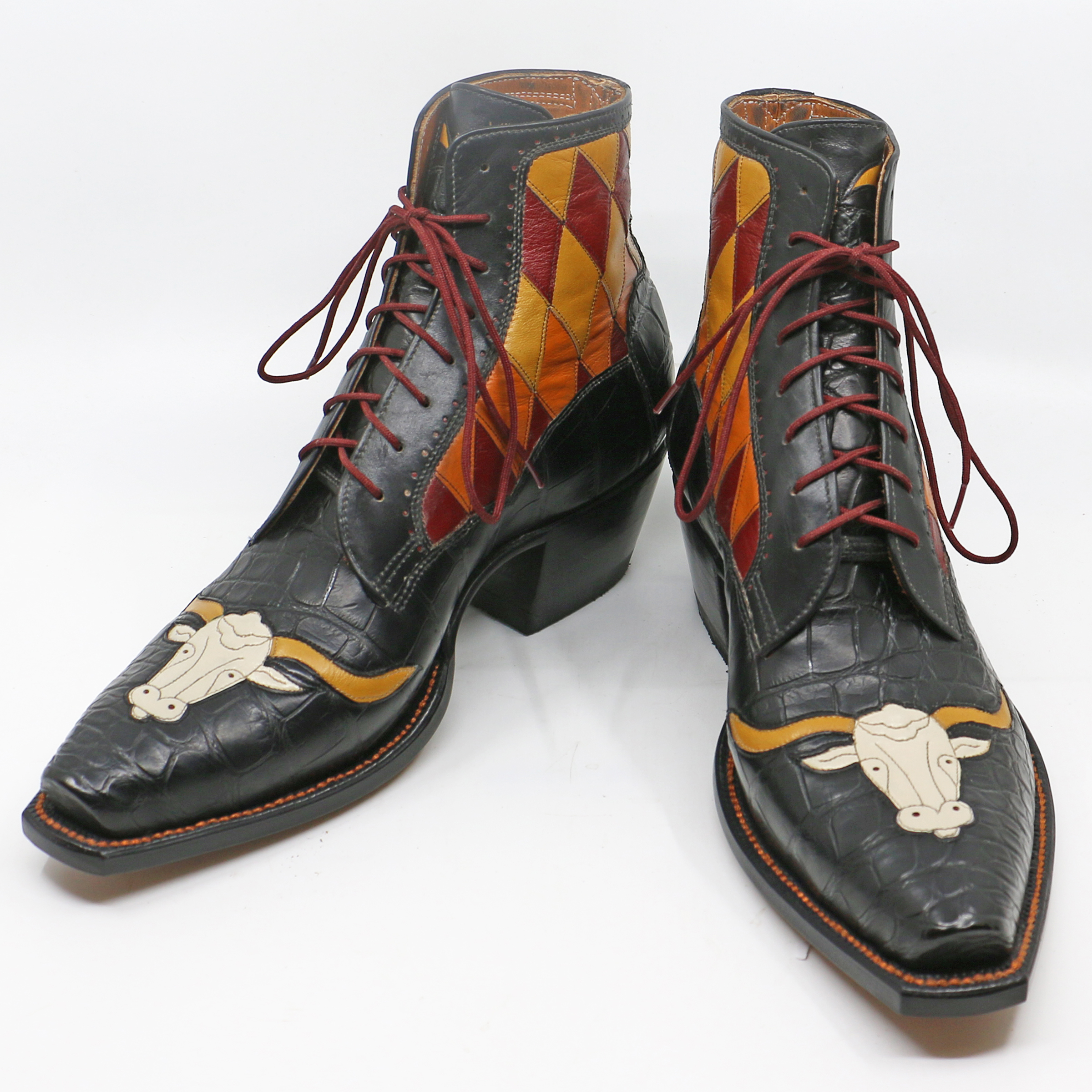
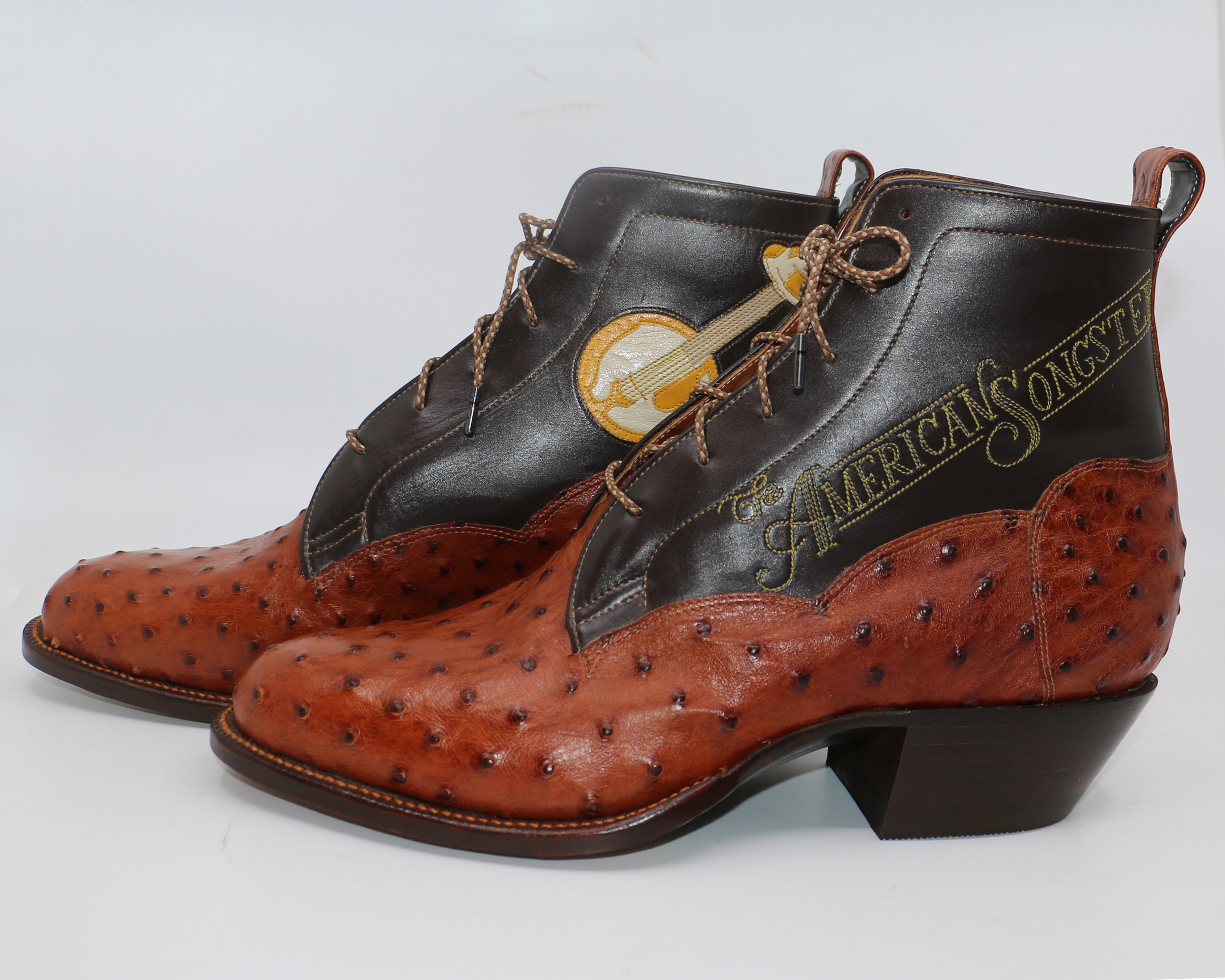
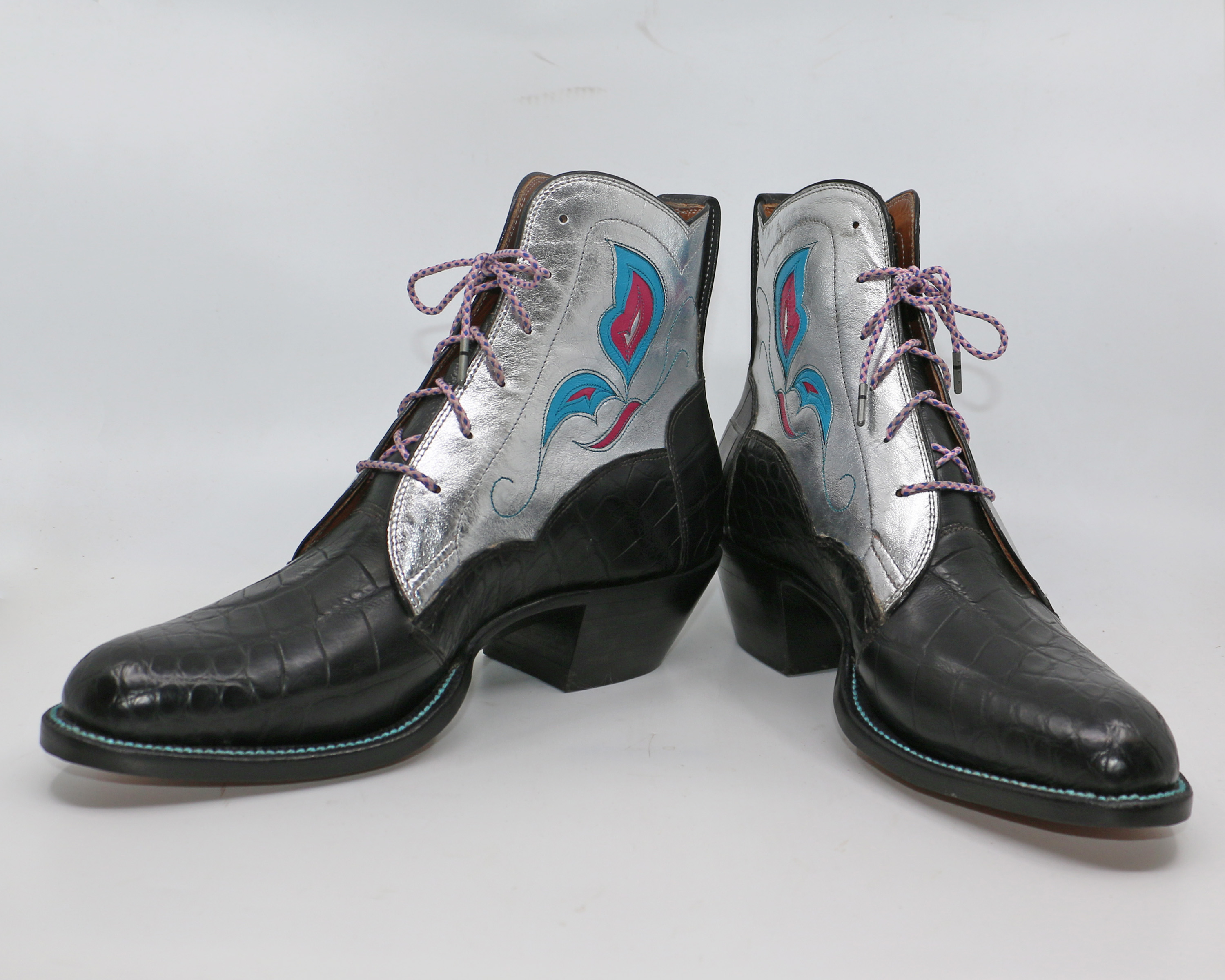
This pair of shoes (the lace-up boots) were inspired by Gene Autry’s Lucchese boots. Honestly, I never liked the original design very much and I’m not sure why I thought remaking them as shoes was a good idea; I disliked them the entire time they were in production. Once they were finished and on the client’s feet, I suddenly liked them a whole lot!
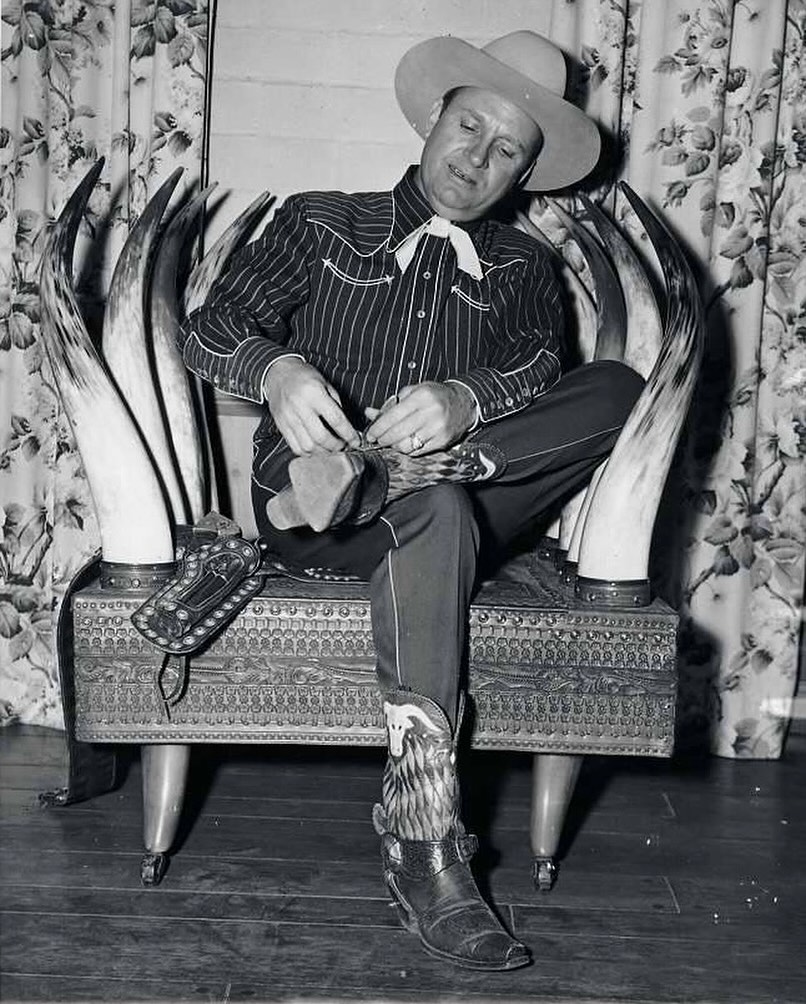
I’m dizzy from sewing in circles but I have the front panels done for this pair.
I’m going to need a break before I start on the back panels.
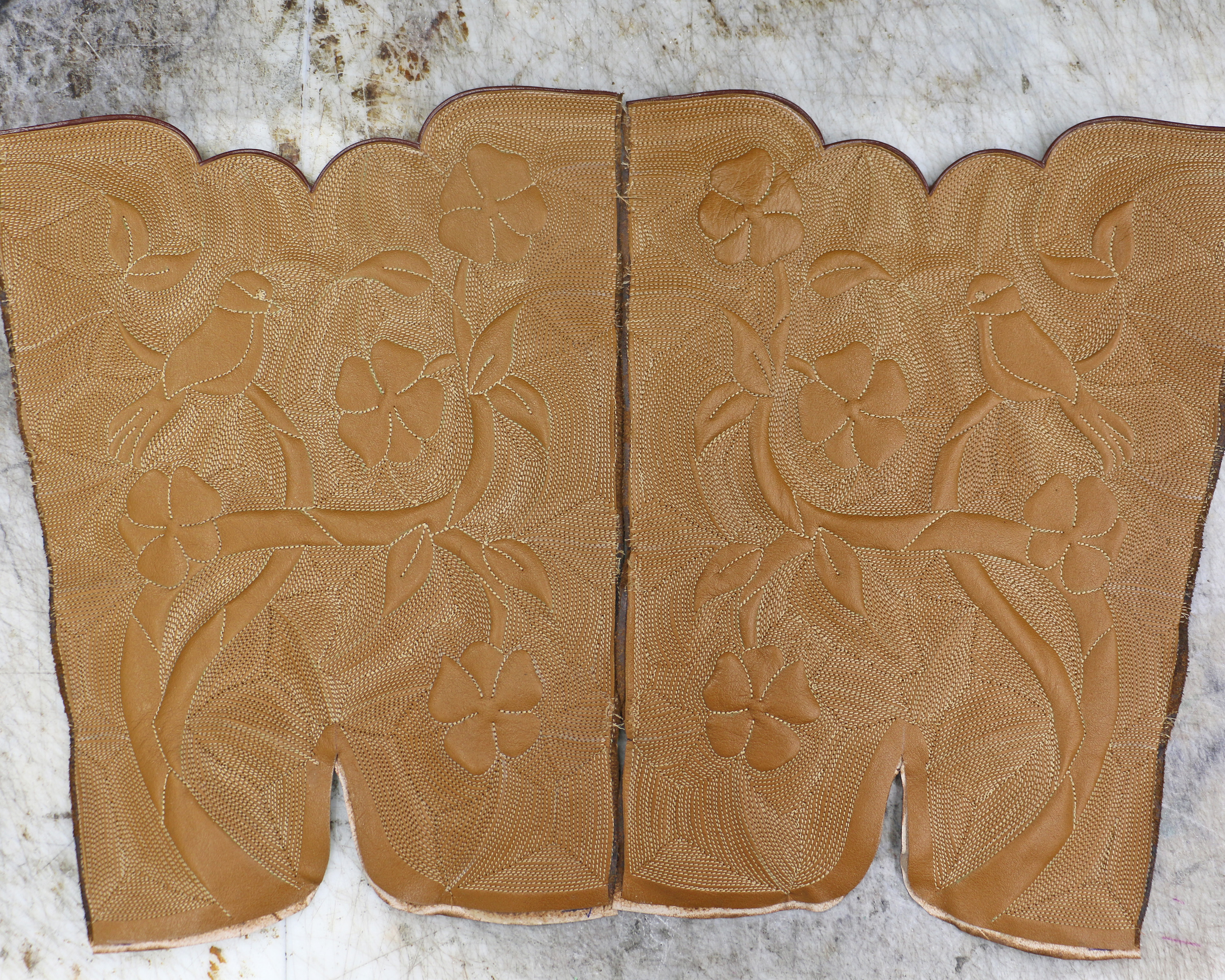
If you need me anytime in the next two weeks or so, I’ll be at my sewing machine.
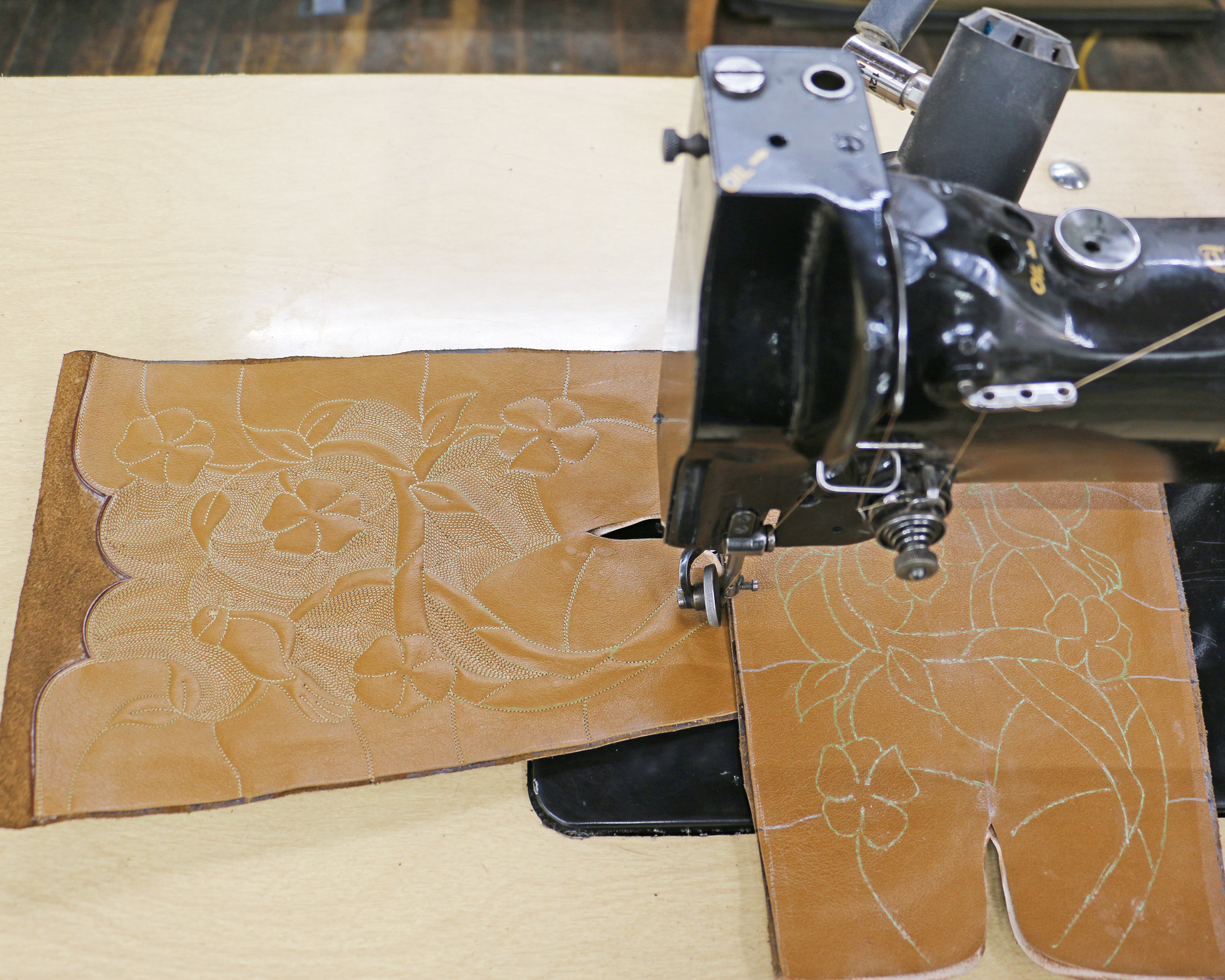
With this pattern, I stitch all the negative space behind the design rather than emphasizing the design itself. For the panel on the left, I’ve completed all of the spaces I can’t reach from the perimeter; now I need to fill in all the spaces around the edges. Each boot has two front panels and two back panels, so completing them all will take a while.
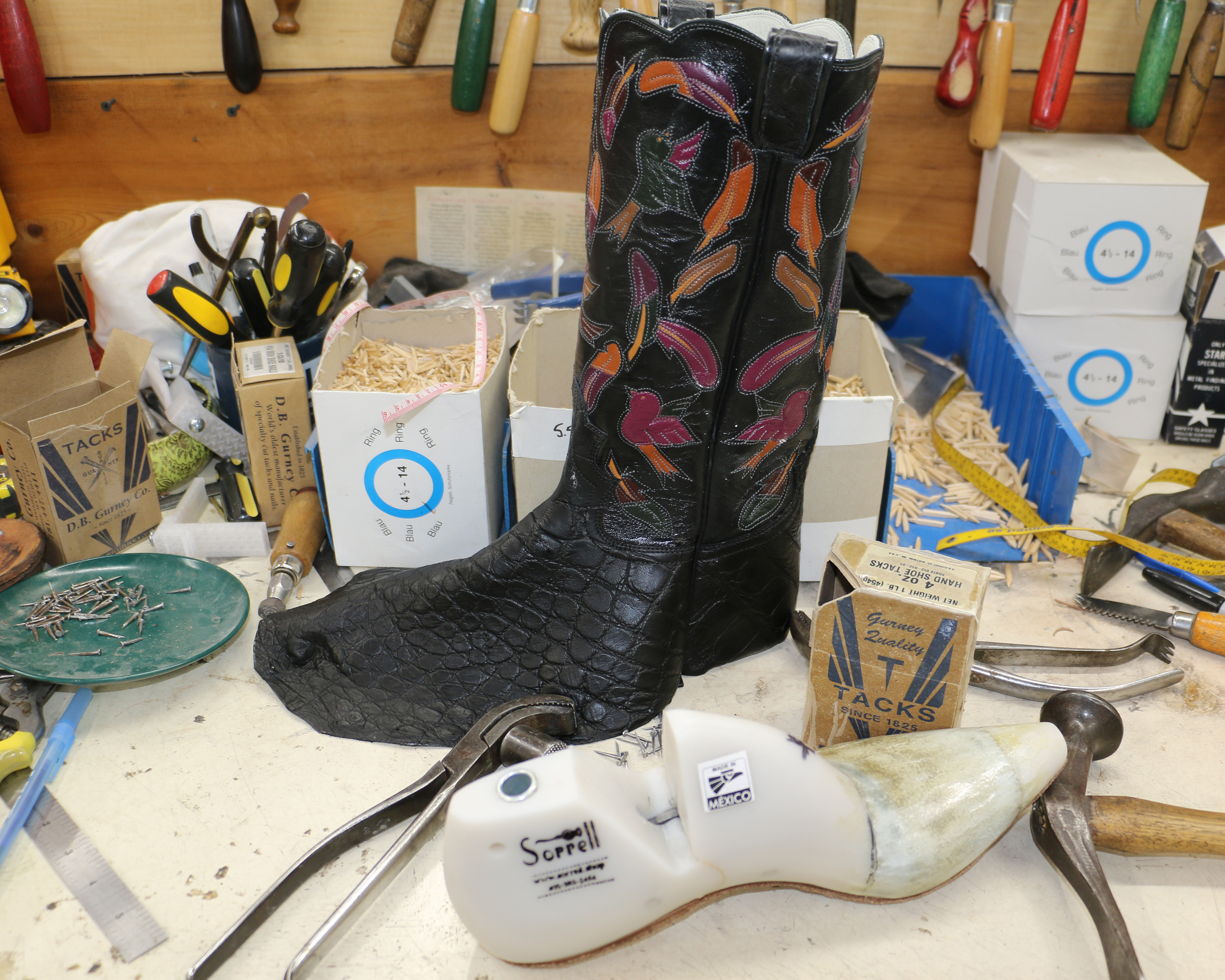
For those who have been consumed with curiosity about why the tack box has a corner cut off to create a triangular hole, it’s a factory technique. I bought out a boot shop and that’s where I got this tack box. When hand lasting, men would cut this hole, tip the box up, dump in a mouthful of tacks, and then spit them out one-at-a-time as needed.
I use gendered language here because factories used to be very specific when hiring. Want ads and books about how to set up and run a factory used gendered language: Get a boy to run pieces from department to department. Hire a woman to stitch uppers. Wanted: Girl to fill out order tags and tie them on. Wanted: Man to stitch boot soles, experience required. I assume factories are not so gender specific now — I’m pretty sure I could get a job in a cowboy boot factory doing anything I wanted to do — but it wasn’t always so.
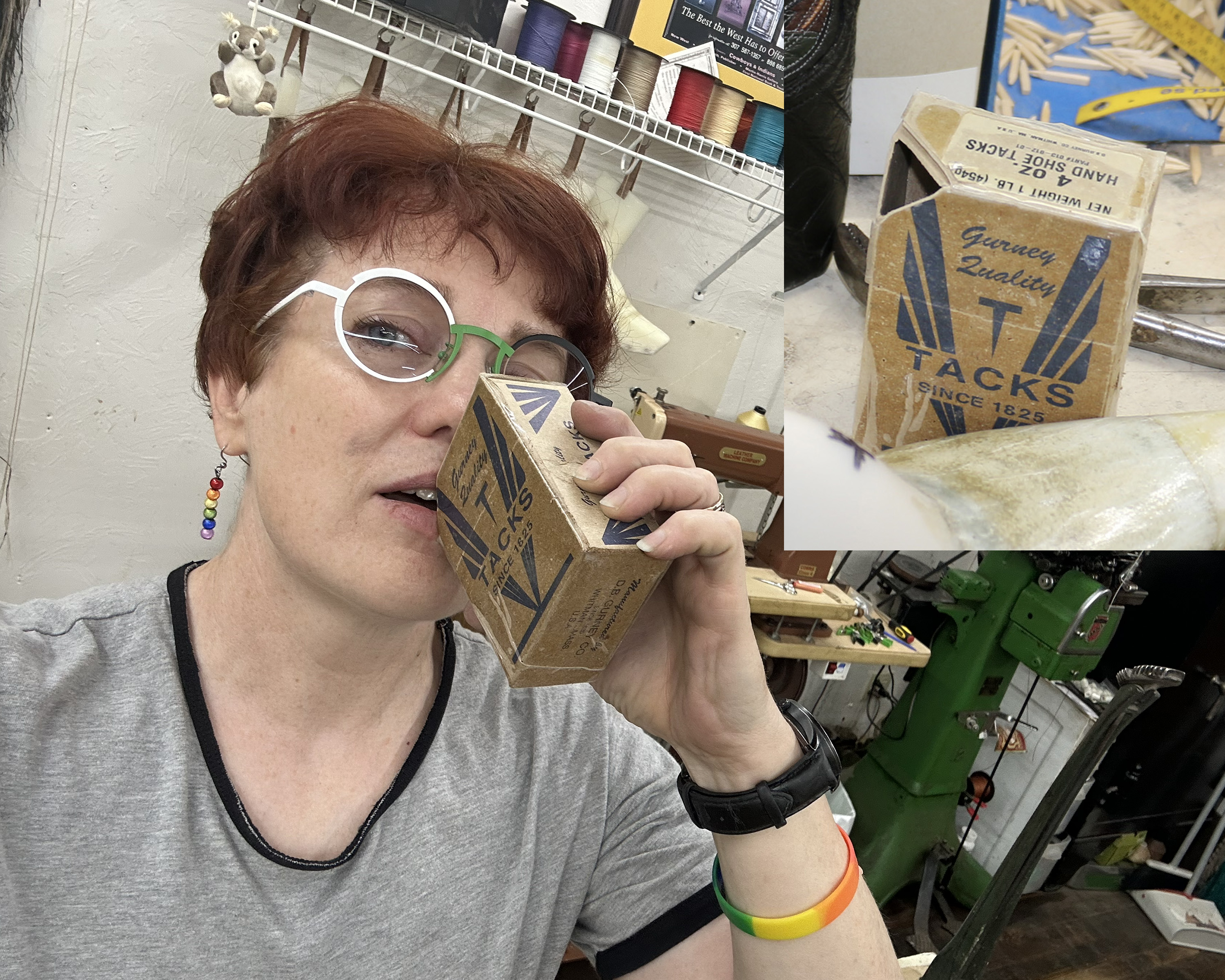
Do you know why the corner is cut off on the Gurney tack box? There’s a reason it’s sliced off exactly as it is.
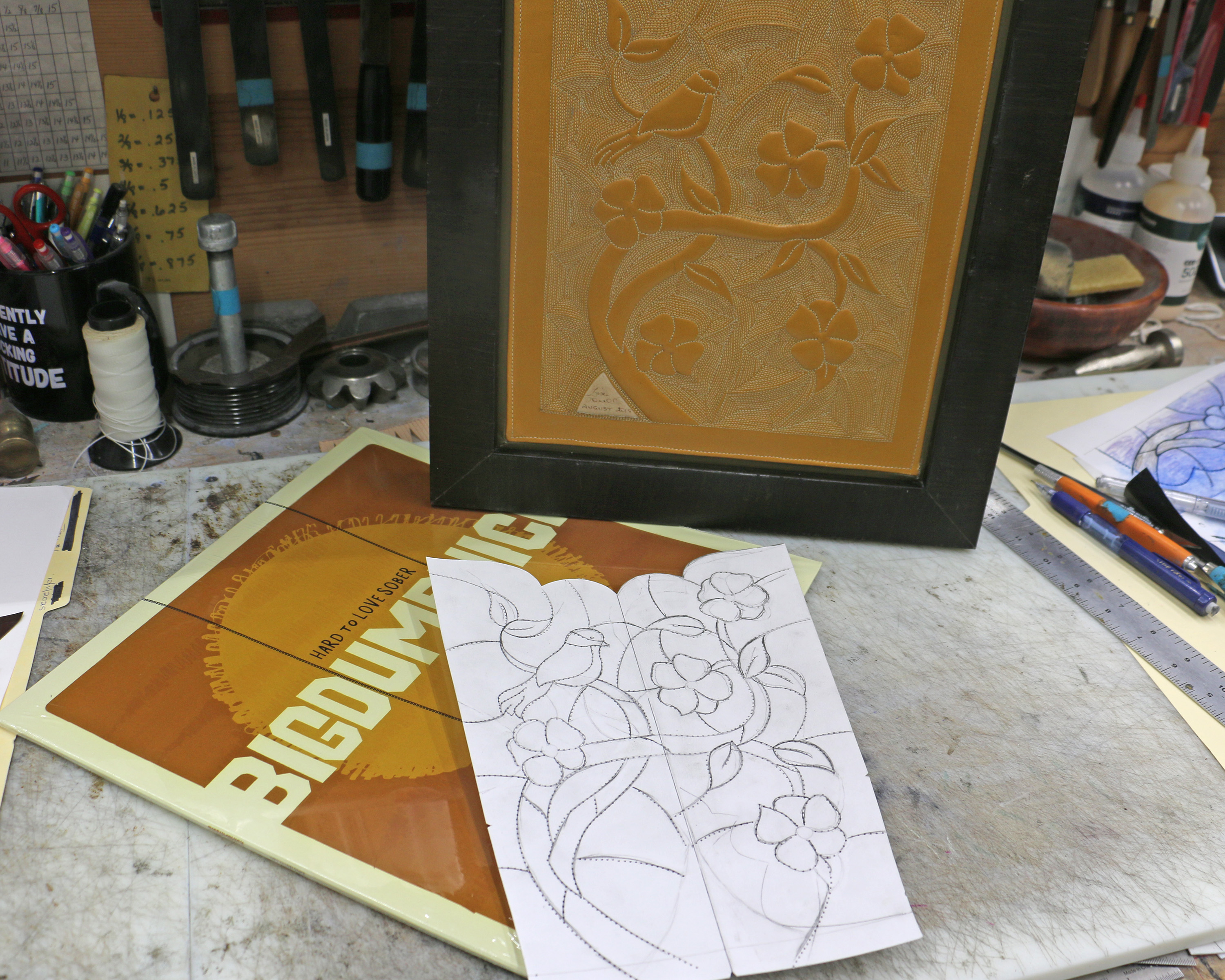
Today was all about patterns
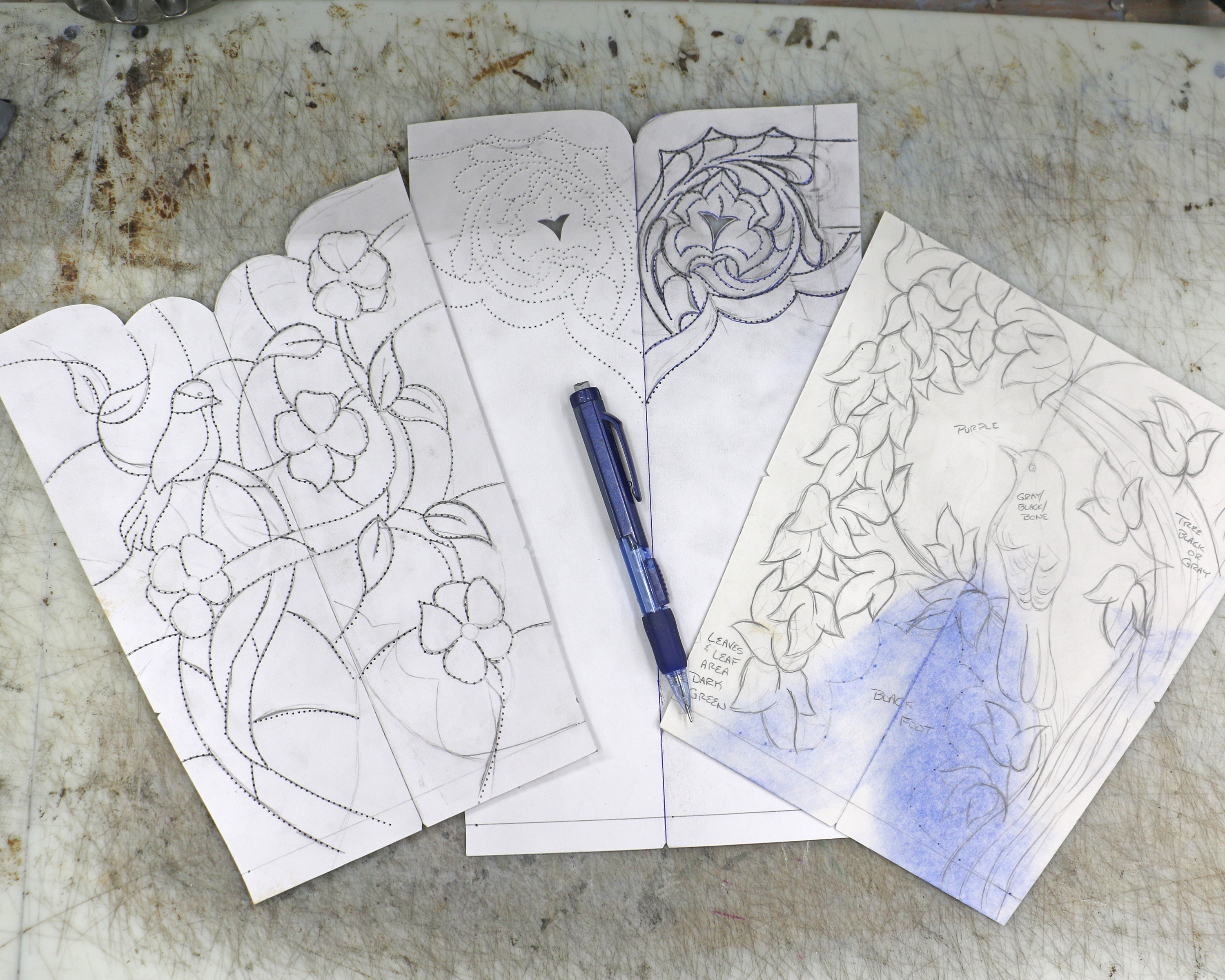
It took a minute, but I finally convinced myself to start today’s work. The boot top pattern is created by stitching all the design lines on a sewing machine with no thread in the needle, and if your presser wheel rolls over a line of stitched holes it will smush them closed. This sort of design stitching is done in an entirely different order than actually sewing the leather and you’re constantly trying not to run over any previously punched holes the entire time you’re doing it. Now that it’s done I am far more enthusiastic about making these boot tops.
Two pairs of boots are completed and ready to ship to their new owners.
“Saddle It Around”
“Steel Pony Blues”
 | customboots on Challenge |
 | pleasantlyconnoisseu… on Challenge |
| customboots on Challenge |
| Eugen T. on Challenge |
 | Mike McCanna on Lessons |

